Washington, DC
Short, reflective audio experiences designed to be listened to while walking through real places.
Thoughtful audio walks through cities, museums, and ideas
Presidents and the Republic
ENExtended-
Place Overview

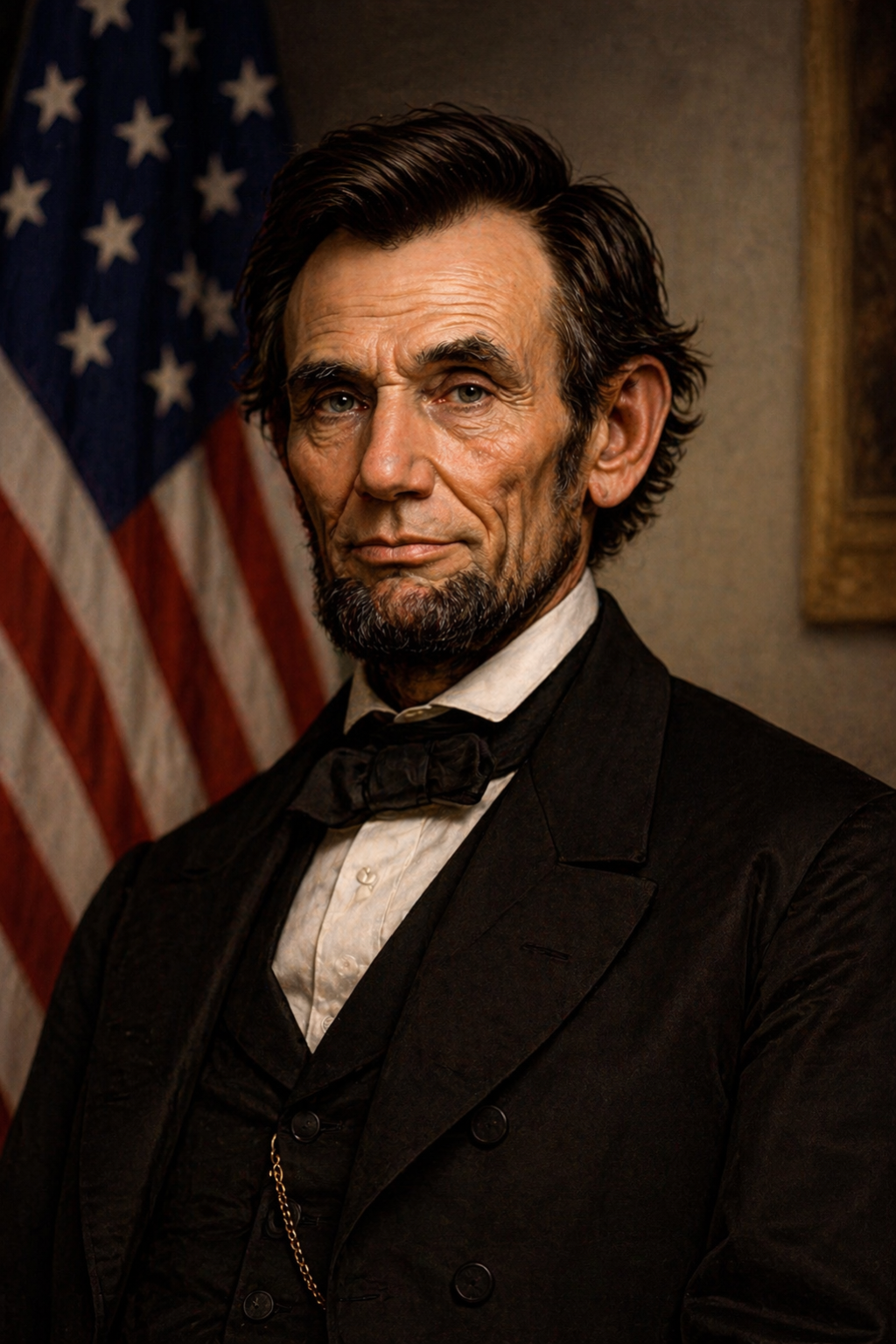
Abraham Lincoln did not only save the Union. He preserved it by changing what the Union meant. Under the pressure of civil war, slavery moved from contained wrong to central target, and the republic emerged morally altered by sacrifice. This long-form portrait follows Lincoln from frontier self-making to prairie law, debates, election, war leadership, emancipation, and the language of national grief. Humor, melancholy, constitutional reasoning, and enlargement under pressure all remain in view. Listen for the question Lincoln forces on the country: what kind of nation can be worthy of the dead it asks history to remember?

Open interactive walkBack to collection
Collection Context
George Washington — Founding authority and the discipline of power
Extended · 60 min
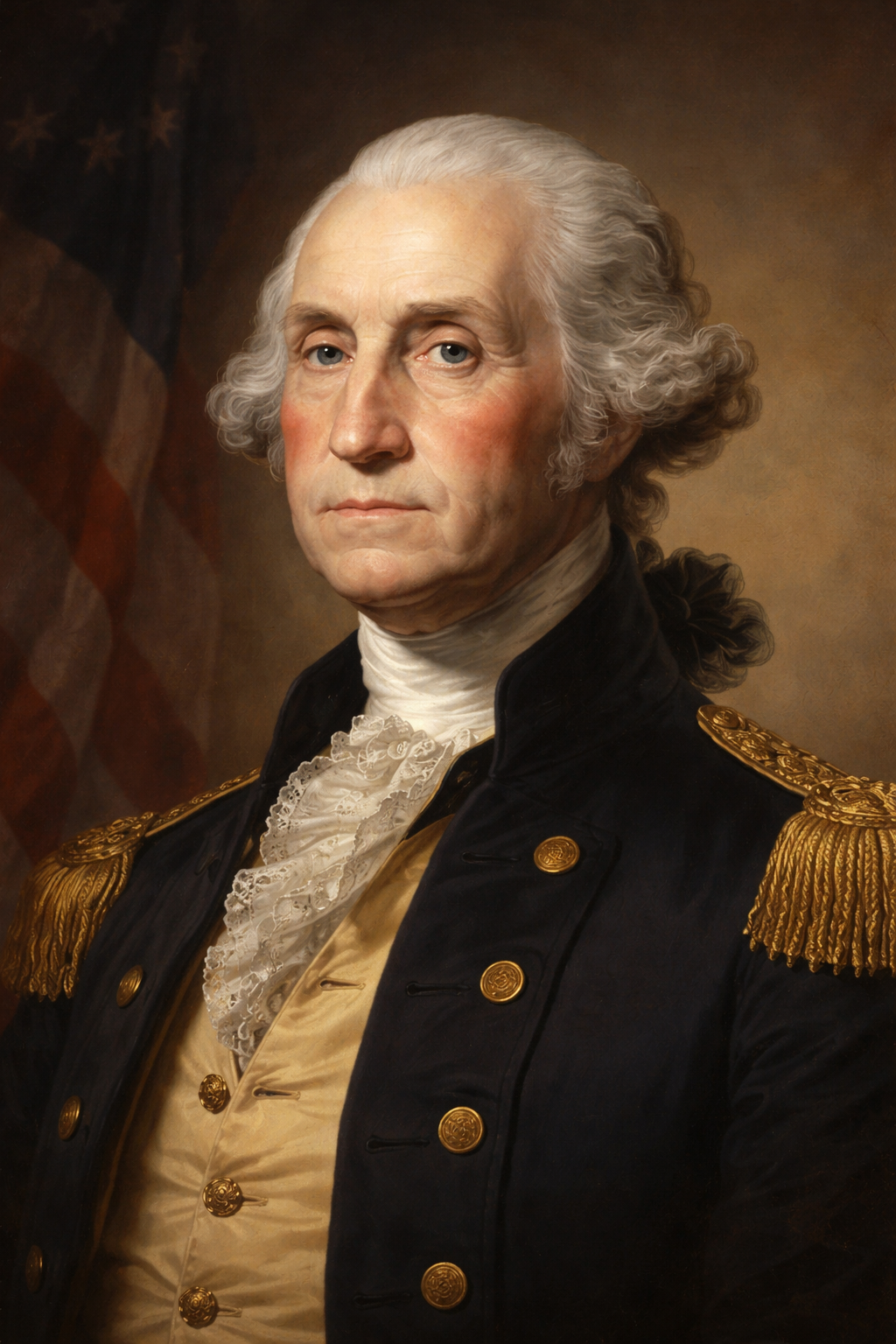
George Washington stands at the beginning of American power, but not simply as a victorious general or the first president. He matters because he taught a fragile republic that authority could be real without becoming personal rule. This long-form portrait follows the man who made precedent by mastering himself: surveyor, planter, slaveholder, commander, constitution-maker, and president. Ambition, restraint, slavery, ceremony, and renunciation all stay inside the same life. Listen for the deeper question Washington leaves behind: how does a republic trust power without surrendering itself to it?
Thomas Jefferson — Liberty, contradiction, and the republic of ideas
Extended · 60 min
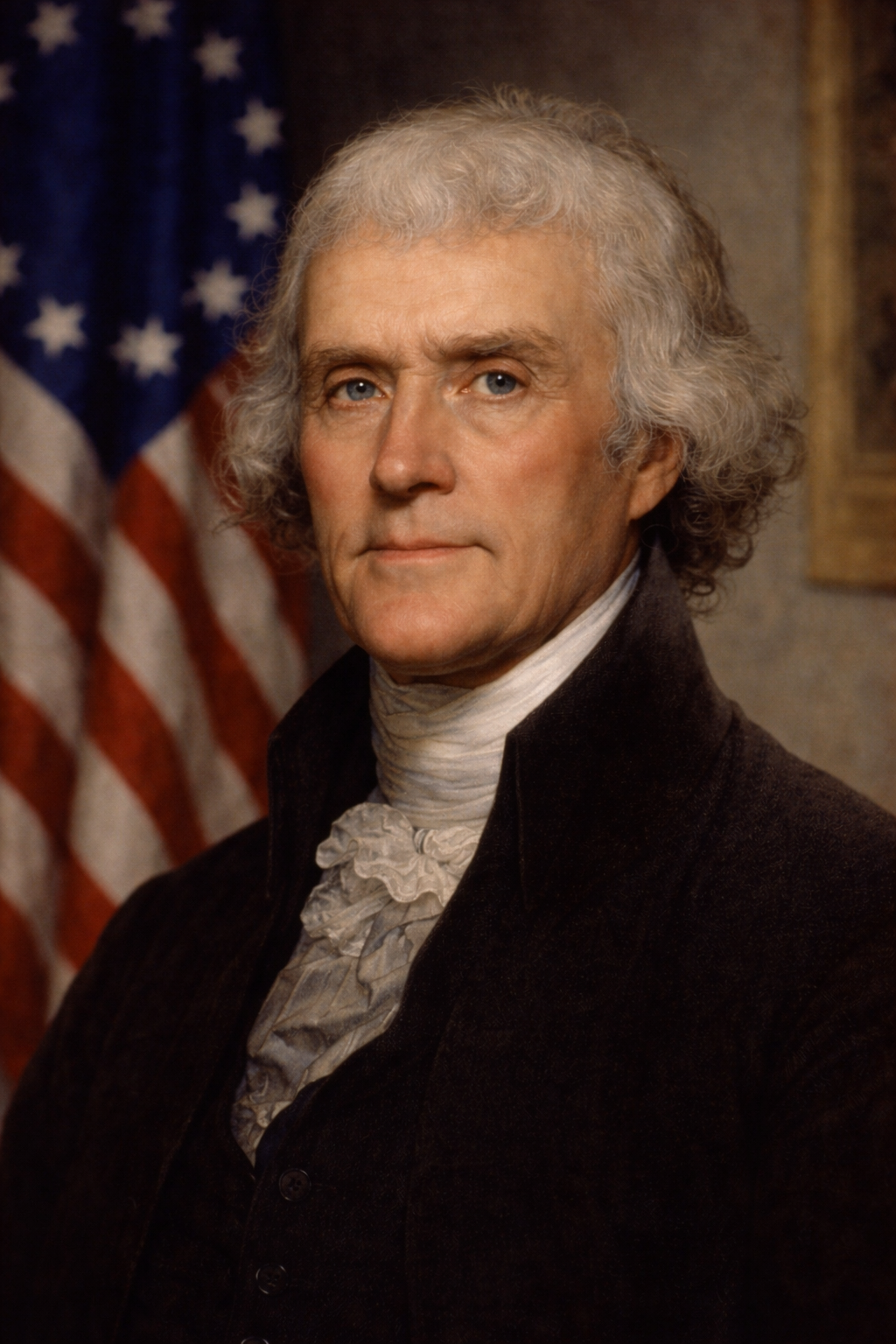
Thomas Jefferson gave America some of its most beautiful language about liberty, conscience, and the rights of man. He also lived more completely than almost any founder inside the contradiction between those sentences and slavery. This long-form portrait follows Jefferson as writer, planter, architect, diplomat, president, and curator of national self-image. The Declaration, Monticello, religious freedom, the Louisiana Purchase, and the Hemings world all belong to the same story. Listen for the tension that never leaves him: liberty as universal promise, and liberty as a nation built inside exclusion.
Abraham Lincoln — Union, emancipation, and national sacrifice
Extended · 60 min
Current place
Abraham Lincoln did not only save the Union. He preserved it by changing what the Union meant. Under the pressure of civil war, slavery moved from contained wrong to central target, and the republic emerged morally altered by sacrifice. This long-form portrait follows Lincoln from frontier self-making to prairie law, debates, election, war leadership, emancipation, and the language of national grief. Humor, melancholy, constitutional reasoning, and enlargement under pressure all remain in view. Listen for the question Lincoln forces on the country: what kind of nation can be worthy of the dead it asks history to remember?
Theodore Roosevelt — Energy, conservation, and a presidency in motion
Extended · 60 min
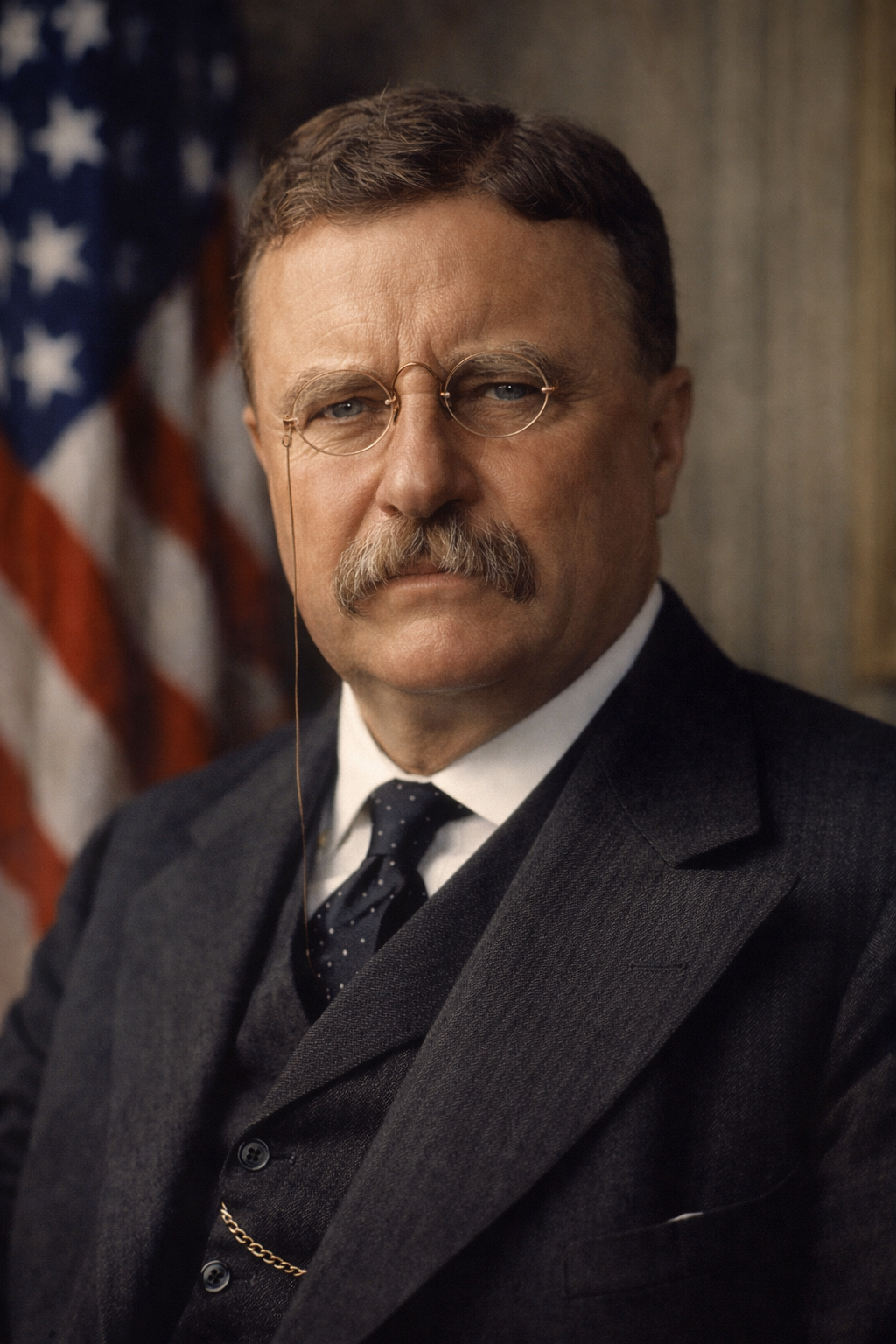
Theodore Roosevelt taught the presidency to act. He turned the office into a platform of national energy, public-interest reform, conservation, and international force, and later presidents never entirely returned it to its earlier scale. This long-form portrait follows Roosevelt from childhood frailty and frontier reinvention to trust-busting, the Square Deal, the White House as public stage, the Panama Canal, conservation, and imperial ambition. Vitality and hierarchy live side by side in him. Listen for the central wager of his life: that a modern nation needs executive force, but must still decide what that force is for.
Franklin Delano Roosevelt — The federal promise and democratic survival
Extended · 60 min
Franklin Delano Roosevelt made the federal government feel like a promise ordinary people could address directly. In the Depression, through disability, experiment, radio, relief, war, and recovery, he changed what Americans thought Washington was for. This long-form portrait follows Roosevelt from Hyde Park privilege and Warm Springs reinvention to the New Deal, Social Security, executive enlargement, global war, and the beginnings of a postwar order. Protection, improvisation, coalition, and exclusion all remain part of the story. Listen for the deeper transformation beneath the programs: the national government becoming a daily obligation rather than a distant abstraction.