Washington, DC
Short, reflective audio experiences designed to be listened to while walking through real places.
Thoughtful audio walks through cities, museums, and ideas
Foundations and Law
EN10 min-
Place Overview

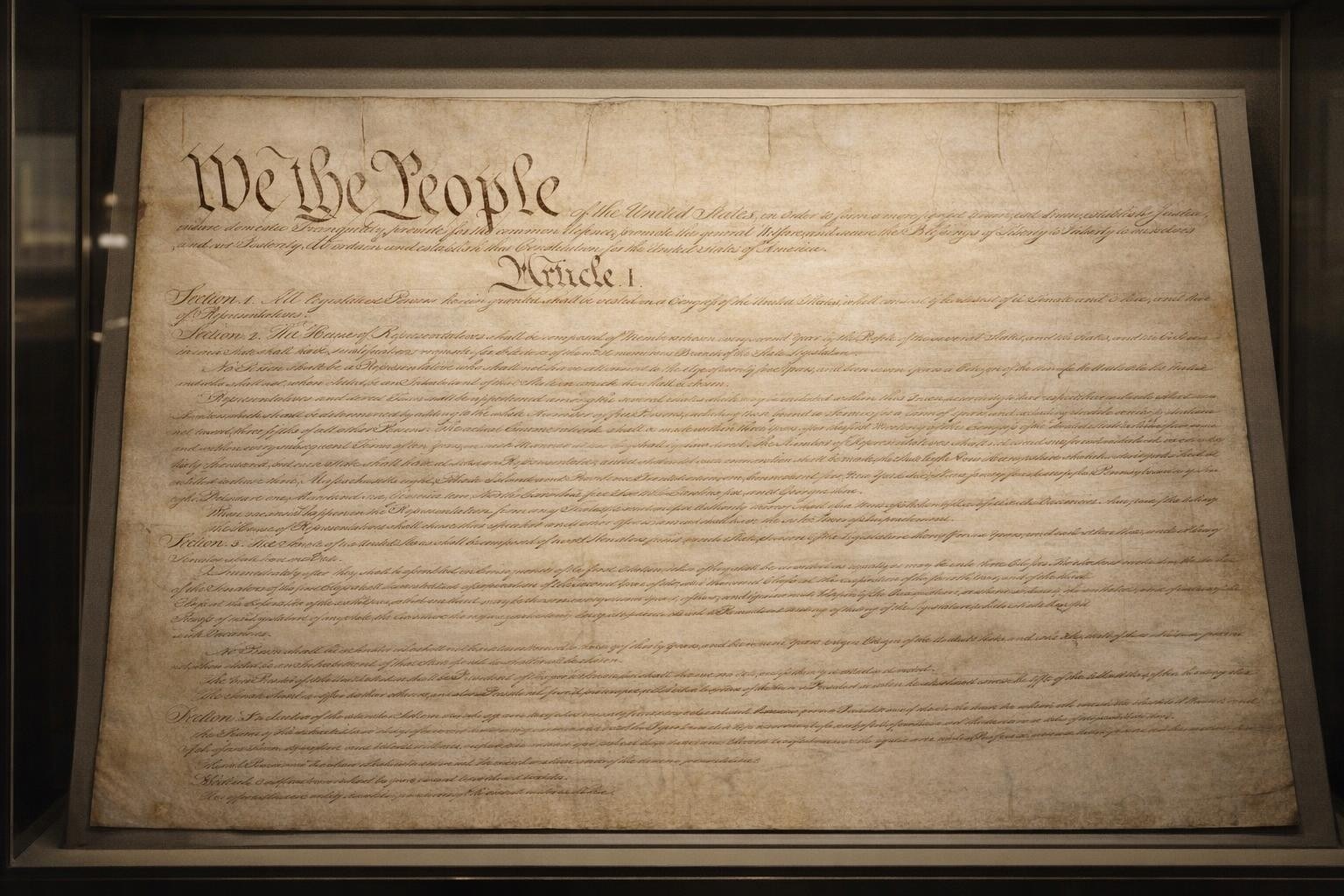
You encounter a text designed for conflict—not to eliminate it, but to contain it. The Constitution is a framework for disagreement, an attempt to turn competing interests into something that can be argued over without breaking the whole structure. Its genius is procedural: checks, balances, separations, and deliberate friction. It assumes humans will reach for power, and it tries to make that reach visible—and resistible. As you reflect, notice how the Constitution lives through interpretation. It is not only what was written, but how it is read, enforced, stretched, and challenged. This tour invites you to see constitutional government as a daily practice, not a finished artifact.

Open interactive walkBack to collection
Collection Context
Declaration of Independence — Principles and rupture
10 min
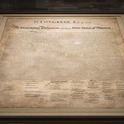
You face a document that tried to turn a rebellion into a philosophy. The Declaration of Independence is both a list of grievances and a statement of what the world should be allowed to expect from power. Its language feels bright and absolute—equal, unalienable, self-evident—yet history immediately complicates it. The words created a horizon of meaning that people have struggled toward ever since. As you reflect, notice the double nature of founding texts: they can inspire courage, and they can expose hypocrisy. This tour invites you to sit with that tension—the beauty of the claim, the violence of the rupture, and the long unfinished work of living up to a sentence.
The Constitution — A framework for disagreement
10 min
Current place
You encounter a text designed for conflict—not to eliminate it, but to contain it. The Constitution is a framework for disagreement, an attempt to turn competing interests into something that can be argued over without breaking the whole structure. Its genius is procedural: checks, balances, separations, and deliberate friction. It assumes humans will reach for power, and it tries to make that reach visible—and resistible. As you reflect, notice how the Constitution lives through interpretation. It is not only what was written, but how it is read, enforced, stretched, and challenged. This tour invites you to see constitutional government as a daily practice, not a finished artifact.
The Bill of Rights — Limits on power
10 min
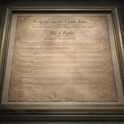
You stand with the Bill of Rights, where a nation tried to put boundaries into words. These amendments are not decorations; they are warnings—rules meant to restrain power when fear, anger, or certainty begin to swell. They protect speech, belief, privacy, due process, and the fragile idea that the government must justify itself to the individual. As you reflect, notice how rights are both simple and contested. Their meaning depends on context, interpretation, and the courage to insist on them when it’s inconvenient. This tour invites you to see liberty as something maintained—through argument, precedent, and the ongoing discipline of limits.