Washington, DC
Short, reflective audio experiences designed to be listened to while walking through real places.
Thoughtful audio walks through cities, museums, and ideas
War and Memory on the Mall
EN10 min-
Place Overview

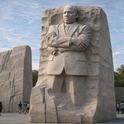
You arrive at the Martin Luther King Jr. Memorial, where voice is carved into stone. The setting along the water feels calm, yet the message here is not gentle—it is insistent, moral, and unfinished. King’s legacy lives in language: sermons, speeches, and the disciplined clarity of demanding justice without surrendering humanity. As you move through the memorial, notice how it frames struggle as part of national identity, not a side story. This tour invites you to reflect on the relationship between conscience and politics, between public protest and private courage, and between the dream of equality and the work required to approach it.

Open interactive walkBack to collection
Collection Context
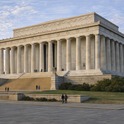
Lincoln Memorial — Union, war, and memory
10 min
You climb toward the Lincoln Memorial, and the city’s noise falls away into something like reverence. The columns feel ancient on purpose, as if the nation needed a temple to hold a moment of fracture and the hope of repair. Inside, Lincoln sits in stillness, yet the space around him has carried some of the loudest moral language in American life. The memorial has become a platform where unity is tested and reimagined. As you reflect, notice how memory can be both comfort and challenge. This tour invites you to consider the Civil War not as a distant chapter, but as a continuing question: what holds a country together, and what does it cost?
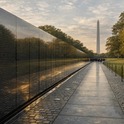
Vietnam Veterans Memorial — Grief and names
10 min
You approach the Vietnam Veterans Memorial and the world becomes quieter. The wall does not rise to dominate you; it cuts into the earth, drawing you downward into reflection. Names are the architecture here. Thousands of them, arranged with a cold precision that turns grief into something visible, something you can trace with your eyes and fingertips. As you move along the polished stone, you may see yourself reflected among the letters—present life beside absence. This tour invites you to consider how a nation mourns a contested war, how private loss becomes public memory, and how design can hold sorrow without trying to resolve it.
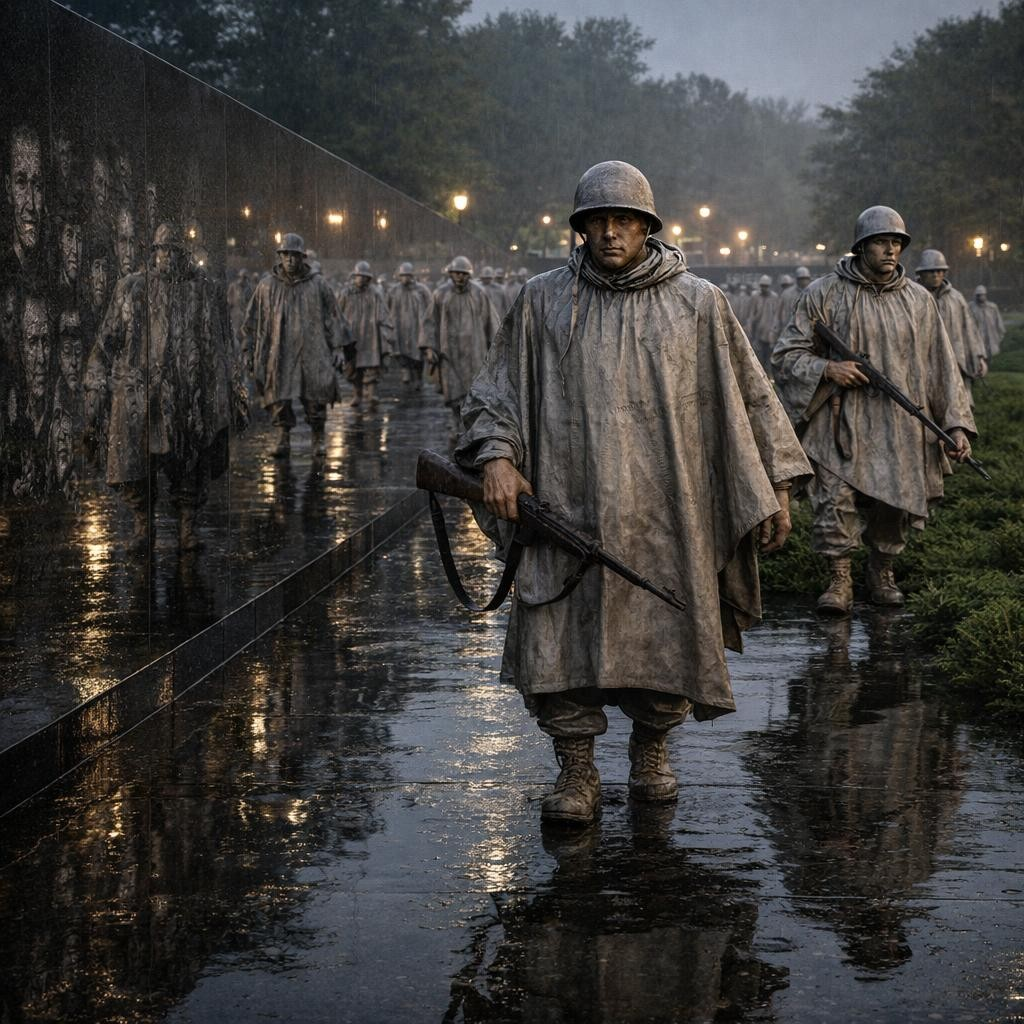
Korean War Veterans Memorial — Patrol, memory, and the unfinished war
10 min
At the Korean War Veterans Memorial, nineteen stainless-steel figures move through weather and uncertainty, reflected into thirty-eight along a polished wall that turns design into history. This tour follows the memorial from patrol to pool, tracing coalition service, armistice without peace, and the way Washington remembers a war that never resolved into a simple victory story. As you walk, notice how the site holds courage, grief, vigilance, and unfinished history in the same physical space.
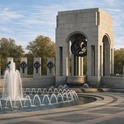
World War II Memorial — Scale and sacrifice
10 min
You step into the World War II Memorial and feel the deliberate scale of national memory. The arches, fountains, and open plaza create a sense of collective effort—an entire society mobilized, reshaped, and marked. This is commemoration as structure: broad enough to hold millions of stories, yet always at risk of smoothing over complexity. As you walk, notice the tension between grandeur and human cost. Sacrifice is honored here, but sacrifice also raises questions—about necessity, about consequence, about what victory required. This tour invites you to look for the quieter details within the monumental form, where remembrance becomes more than ceremony.
Martin Luther King Jr. Memorial — Justice and voice
10 min
Current place
You arrive at the Martin Luther King Jr. Memorial, where voice is carved into stone. The setting along the water feels calm, yet the message here is not gentle—it is insistent, moral, and unfinished. King’s legacy lives in language: sermons, speeches, and the disciplined clarity of demanding justice without surrendering humanity. As you move through the memorial, notice how it frames struggle as part of national identity, not a side story. This tour invites you to reflect on the relationship between conscience and politics, between public protest and private courage, and between the dream of equality and the work required to approach it.
Franklin Delano Roosevelt Memorial — Leadership through crisis
10 min
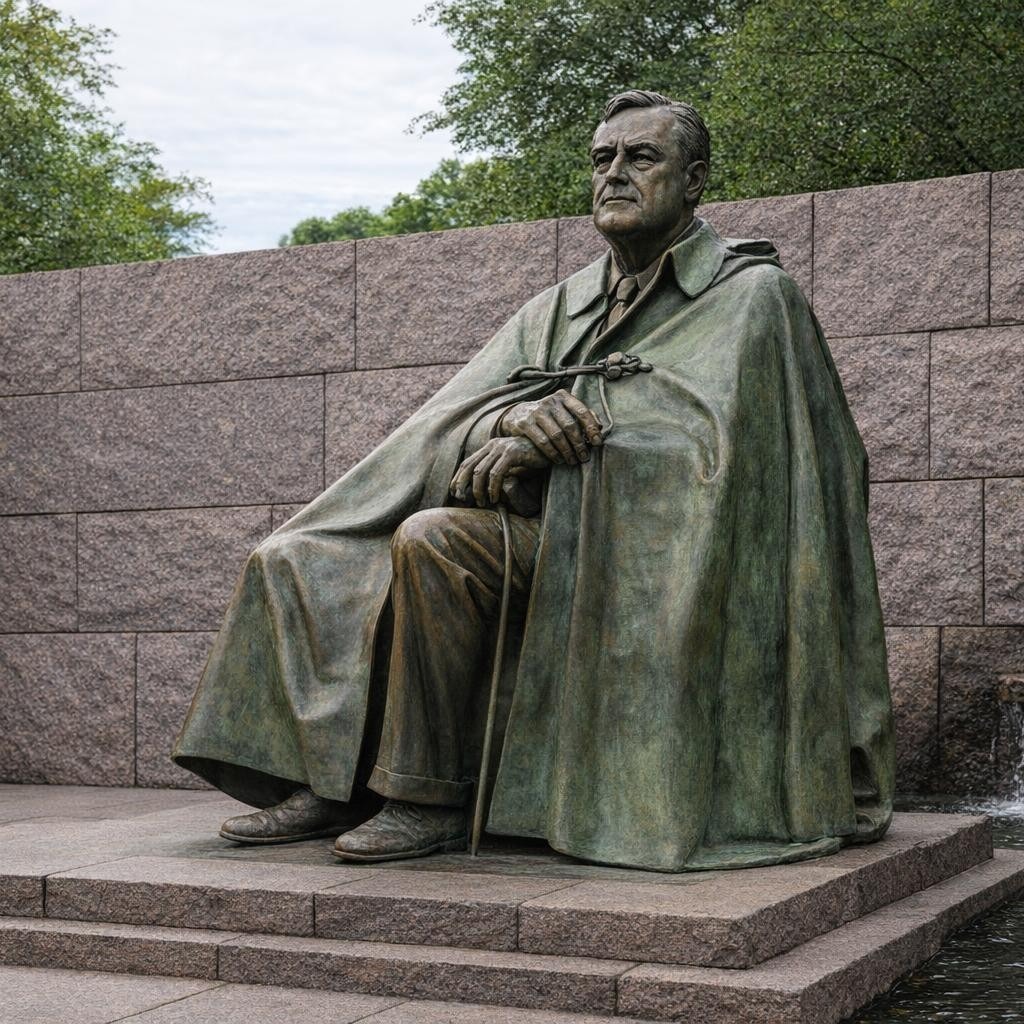
You move through the sequence of rooms at the Franklin Delano Roosevelt Memorial and realize it is designed more like a story than a statue. Rough granite walls, water that rushes and then goes still, and quotations carved at eye level describe a presidency lived inside economic collapse and global war. This narration invites you to notice how policy becomes physical: breadlines cast in bronze, open plazas for the Four Freedoms, tactile surfaces worn by visitors. Leadership here is not heroic distance but daily improvisation. Consider how empathy, experimentation, and endurance became tools of governance when certainty was impossible.
Einstein Memorial
10 min
You stand before the Einstein Memorial, where a scientist becomes a public symbol. The bronze figure feels approachable—thoughtful rather than triumphant—inviting you to imagine intelligence as humility, and discovery as patience. Einstein’s work changed how we understand space, time, and gravity, but his cultural presence also became a shorthand for curiosity itself. As you look closer, notice the small details: inscriptions, textures, the way the memorial makes room for contemplation. This tour invites you to reflect on what it means to know something deeply, and how ideas—once born in quiet thought—can reshape the world far beyond their origin.