Short, reflective audio experiences designed to be listened to while walking through real places.
Thoughtful audio walks through cities, museums, and ideas
Place Overview
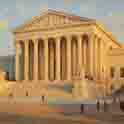
You stand before the Library of Congress, a monument to the idea that a nation is also a mind. Beneath its ornament and grandeur lives something quieter: the patient accumulation of pages, maps, recordings, and handwritten traces of lives that wanted to be understood. This is institutional memory made physical. It preserves brilliance and bias, discovery and distraction, the official record and the overlooked footnote. As you take in the building, imagine the sheer scale of thought stored here—not as a museum of certainty, but as a living archive of questions. In this place, knowledge feels both powerful and unfinished, the way it always is.
Collection Context