Short, reflective audio experiences designed to be listened to while walking through real places.
Thoughtful audio walks through cities, museums, and ideas
Place Overview
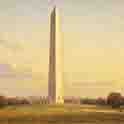
You stand in Washington, D.C., a city drawn like a diagram and lived like a story. The grid is calm and rational, but the diagonals cut through it with ambition—avenues that feel designed for ceremony, for procession, for history to have a stage. Around you, monuments act like punctuation in the landscape, insisting on certain memories, certain ideals. The city’s power is not only in what happens here, but in how the place teaches you to see: where the sightlines lead, what gets centered, what becomes background. As you walk, notice how planning becomes symbolism, and symbolism becomes habit. Washington is a blueprint that people keep rewriting, one moment at a time.
Collection Context